Cost Guide
Financial Aid for Esthetician School
Can You Get Financial Aid for Esthetician School?
Yes. Financial aid for esthetician school comes mainly through the FAFSA: 600 of the 837 verified campuses say federal aid is available to eligible students, which can mean a Pell Grant of up to $7,395 for 2026-27 that you don't repay and federal Direct Loans. A program usually needs at least 600 clock hours over 15 weeks for the full range of federal aid, so check the hours before you count on it. Compare programs that take aid in the financial aid ranking.
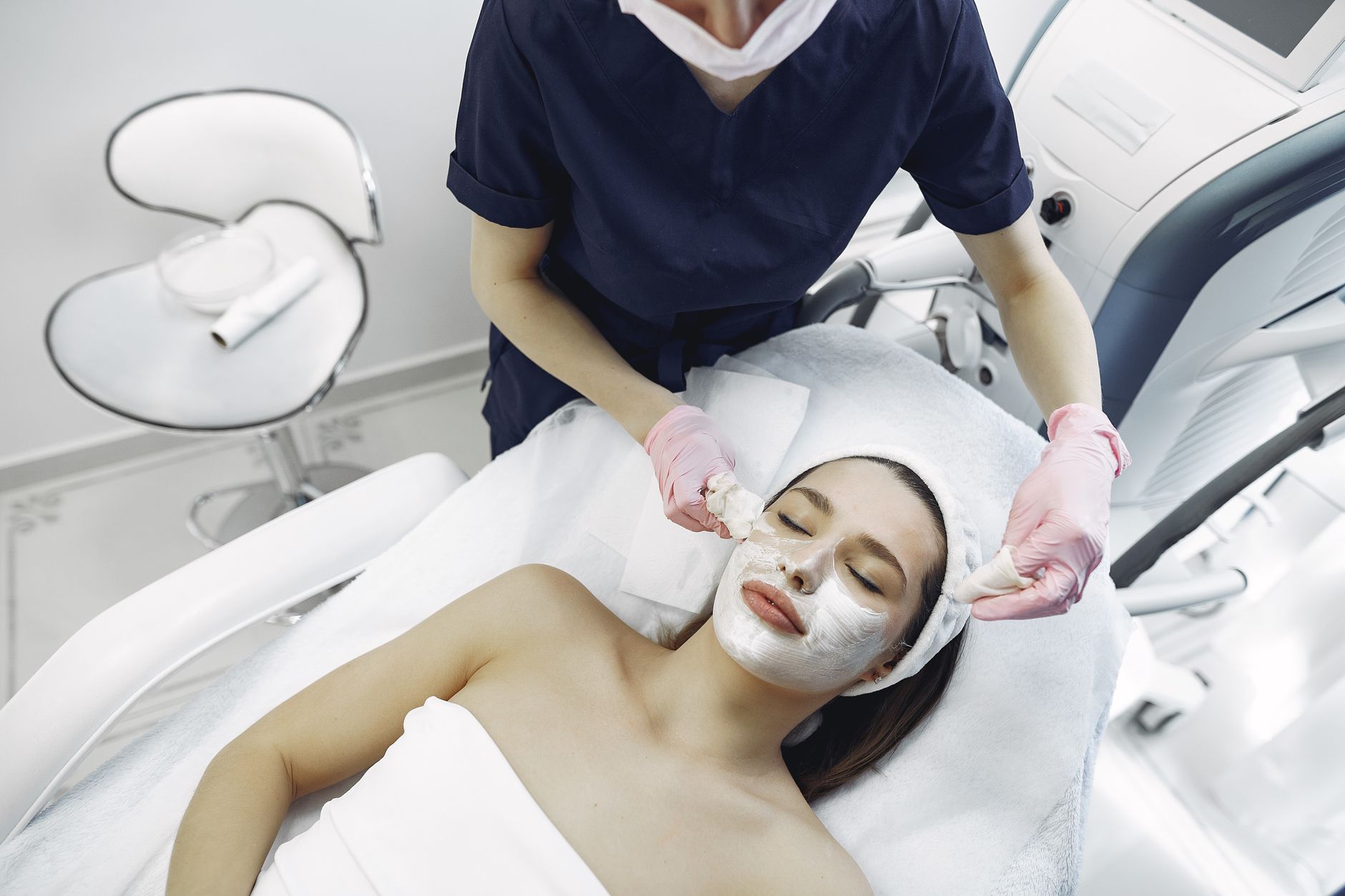
Financial Aid for Esthetician School: What Is Available
Esthetics is a clock-hour certificate program, and federal student aid covers it the same way it covers other career training, as long as the school and the program qualify. Of the 837 campuses verified for this site, 600 say federal financial aid is available to eligible students. At the program level, 691 of 957 programs are at those schools.
The main sources, in the order most students use them:
| Aid | Do you repay it? | Need required? | Key facts for 2026-27 |
|---|---|---|---|
| Federal Pell Grant | No, except in certain cases | Yes, exceptional financial need | Up to $7,395; prorated for part time and short programs |
| Direct Subsidized Loan | Yes | Yes | 6.52% fixed; government pays interest while you’re enrolled at least half time |
| Direct Unsubsidized Loan | Yes | No | 6.52% fixed; interest builds from the start |
| State grants | Usually no | Varies | Awarded from the FAFSA, often first come, first served |
| Scholarships | No | Varies | From schools, employers, foundations and beauty associations |
The FAFSA is the single application for the first four. Many states and schools also use it to award their own grants and scholarships, so file it even if you expect to pay most of the cost yourself.
Which Esthetics Programs Qualify for Federal Aid
The school must take part in federal aid, and the program must meet federal length rules. For a beauty school or other career school, a program qualifies for the full range of federal aid, including Pell Grants, when it is at least 600 clock hours and lasts at least 15 weeks. A program of 300 to 599 clock hours, lasting at least 10 weeks, can qualify for Direct Loans only, and only if it meets further conditions.
Most esthetics programs in 600-hour states sit at 600 hours, which also meets that federal threshold, while Florida’s 220- and 260-hour facial specialist programs fall under both thresholds at career schools. Florida’s own law lets its 400-hour full specialist program run longer when needed “to meet minimum Pell Grant requirements.” If you plan to rely on aid in a low-hour state, confirm that the specific program, not just the school, is eligible.
Accreditation matters too. 675 verified programs are at schools that name an accreditor, and 509 name NACCAS, the accreditor most beauty schools name. The accredited schools ranking lists them.
Pell Grants for Esthetics Students
A Pell Grant is the most valuable aid for most esthetics students because you don’t repay it. It usually goes to undergraduates with exceptional financial need who have not earned a bachelor’s degree.
What sets your amount:
- Your Student Aid Index, calculated from the FAFSA.
- The program’s cost of attendance, which includes tuition, fees and living costs the school sets.
- Full-time or part-time enrollment. A part-time evening schedule earns a smaller award per term.
- Program length. A 600-hour program is shorter than a full academic year, so the award is usually a share of the yearly maximum.
The maximum for 2026-27 is $7,395. You can’t receive Pell from two schools at once, and the lifetime limit is 12 full-time terms or the equivalent. In some cases a student can receive up to 150% of the scheduled award in a year.
Federal Direct Loans: Subsidized and Unsubsidized
Loans fill the gap between grants and what the program costs. Both kinds need at least half-time enrollment in a program leading to a certificate at a school in the Direct Loan Program.
- Subsidized loans are for undergraduates with financial need. The government pays the interest while you’re in school at least half time, for six months after, and during deferment.
- Unsubsidized loans don’t require need. Interest accrues from the first day.
Loans first disbursed between July 1, 2026 and June 30, 2027 carry a fixed 6.52% rate, and a 1.057% fee comes out of each disbursement, so you receive slightly less than you borrow. First-time borrowers complete entrance counseling and sign a Master Promissory Note. Repayment starts six months after you finish or drop below half time, usually over 10 to 30 years depending on the plan.
Borrow against what the job pays. Tuition of $10,800, the median among programs that publish it, is a very different debt from the $25,300 at the top of the range, and kits add to both. The esthetician salary guide shows pay by state.
Esthetician Schools Offering Federal Aid, by State
600 of 837 campuses say on their own pages that federal financial aid is available to eligible students, November 2026.
Accreditors Esthetician Schools Name
| Accreditor | Programs |
|---|---|
| NACCAS | 509 |
| COE | 80 |
| ACCSC | 36 |
| Middle States (MSA-CESS) | 17 |
| SACSCOC | 13 |
| MSCHE | 7 |
| Higher Learning Commission | 6 |
| ACCET | 4 |
| COMTA | 2 |
| WASC | 1 |
Programs That Take Federal Aid, Compared
These verified programs are at schools that state federal aid is available, with each school’s published tuition, separately listed kit and outcomes.
| School | Hours | Tuition | Kit (separate) | Outcomes (year, source) |
|---|---|---|---|---|
| Paul Mitchell the School-Phoenix, AZ | 600 | $8,746 | $1,291.96 | Licensure 100%, campus-wide (NACCAS, 2024) |
| Bellus Academy-Chula Vista, CA | 600 | $9,300 | $453.69 | Licensure 100%, completion 92.86% (NACCAS, 2024) |
| Avalon Institute-Mesa, AZ | 600 | $9,300 | $2,002 | Licensure 76%, completion 94% (NACCAS report, Nov 2025) |
| Empire Beauty School-Chandler, AZ | 600 | $10,340 with kit, fees and taxes | Licensure 92.11%, campus-wide (NACCAS, 2024) | |
| Advance Beauty College, CA | 600 | $5,790 | $900 | |
| Top Nails & Hair Beauty School, Taylorsville, UT | 600 | $2,500 | $1,000 | |
| PCI Academy, Plymouth, MN | 500 (advanced practice) | $13,488, books and kit included | Licensure 96%, graduation 100% (9/1/2024-8/31/2025) |
A blank cell means the school lists no separate figure. Public colleges also take aid: Indian River State College and Waukesha County Technical College both state it. The financial aid ranking lists every program at a school that does.
How to Apply for Aid, Step by Step
The order matters, because each step feeds the next.
- File the FAFSA for the award year your program starts in. It produces your Student Aid Index, and the schools you list use it to decide your aid.
- Get the school’s cost of attendance for your exact program and schedule. Pell and loan amounts are figured against it.
- Review the aid offer. The school decides which grants and loans you qualify for and how much.
- Accept or reduce the loans. You can cancel all or part of a loan before it is paid out. First-time borrowers complete entrance counseling and sign a Master Promissory Note.
- Let the school apply the money. Aid goes first to tuition, fees and other school charges, and anything left over is paid to you for other education costs.
- Refile each year if your program crosses into a new award year, as a part-time or master program can.
File early: some state grants are awarded until funds run out, as the deadlines below show.
State Grants and FAFSA Deadlines
Most states award grant money from the FAFSA, and some run out of funds, so filing early matters. For the 2027-28 year the federal deadline is June 30, 2028, but several states award aid as soon as possible after October 1, 2026, and most state deadlines come much sooner.
| State | 2027-28 state deadline |
|---|---|
| Texas | January 15, 2027 for priority consideration |
| California | March 2, 2027 for most state programs |
| Indiana | April 15, 2027, including the Workforce Ready Grant and Adult Student Grant |
| Florida | May 15, 2027 |
| North Carolina | As soon as possible after October 1, 2026 for private schools; June 1, 2027 for community colleges |
| Pennsylvania | August 1, 2027 for first-time applicants at trade and technical schools |
| Illinois | As soon as possible after October 1, 2026 for the Monetary Award Program |
| Minnesota | By the 30th day of the term for the State Grant |
Each school can also set its own aid deadline. If you are choosing between a beauty school and a community college, note that North Carolina and Pennsylvania treat them differently.
Esthetician Scholarships and Other Grants
Scholarships are gifts you don’t repay. Federal Student Aid points to free sources: the school’s financial aid office, a high school or TRIO counselor, the U.S. Department of Labor’s scholarship search tool, your state grant agency, and organizations tied to your field, including professional associations in the beauty industry. Employers and local civic groups also give awards.
Two rules keep you safe. You never have to pay to find a scholarship. And a scholarship can lower your other aid: all aid together can’t exceed the cost of attendance, so the school subtracts the award, often from loans first. That is usually good news, since it means less to repay.
How to Lower What You Borrow
- Check what a high price buys. The median published tuition is $10,800; the programs at the top of the range add hours or services, such as master tiers or makeup and lashes, that a basic license doesn’t require.
- Look at the kit. Kits run from $453.69 at Bellus Academy to $5,700 for Nova Academy’s combined advanced program. A few schools fold the kit into tuition.
- Consider a public college where its schedule works. Ridgewater College lists $4,467 for its advanced esthetics certificate, plus a kit.
- Weigh the pass rate. A program that gets you licensed on the first try is worth more than a small price difference. The median published licensure rate is 94%.
The cost guide breaks down tuition and kits by state, and the school cost comparer lines up the schools near you.
Frequently Asked Questions
Does FAFSA Cover Esthetician School?
It can, at a school that takes part in federal aid and in a program that qualifies. 600 of the 837 verified campuses say federal aid is available. The FAFSA is the application for Pell Grants and Direct Loans, and many states and schools use it for their own grants too.
How Much Is a Pell Grant for Esthetician School?
Up to $7,395 for the 2026-27 award year. The amount depends on your Student Aid Index, the program's cost of attendance, whether you attend full or part time and the length of the program, so a program shorter than a full academic year usually gets a smaller award.
Are There Grants for Estheticians Besides Pell?
Yes, through states. Indiana's Workforce Ready Grant and Adult Student Grant, Illinois's Monetary Award Program and California's state aid programs all use the FAFSA, with their own deadlines. Check your state's deadline on studentaid.gov.
Where Do You Find Esthetician Scholarships?
Start with the financial aid office at the school, your state grant agency, the U.S. Department of Labor's scholarship search tool, and professional associations in the beauty field. Scholarships are gifts you don't repay, and you never have to pay to find one.
Can You Get Financial Aid for a Part-Time Esthetics Program?
Often, yes. Pell Grants are prorated for part-time enrollment, and Direct Loans need at least half-time enrollment. Avalon Institute-Mesa's 33-week evening schedule and Empire Beauty School-Chandler's 35-week part-time schedule are at schools that state federal aid is available.
Does a Scholarship Reduce Your Other Aid?
It can. All your aid together can't exceed the school's cost of attendance, so the school subtracts a scholarship and may lower loans you were offered. Tell the financial aid office when you win one.
Keep Reading
- Esthetician School CostWhat esthetician school costs, from the program tuition figures schools publish, what the total leaves out and how to pay for it
- How to Become an EstheticianThe school hours, state board exams and license steps that take you from no experience to a licensed esthetician
- Esthetician ProgramsWhat esthetician training programs cover, how many clock hours they run, what they cost and which schedules schools offer
- How Long Esthetician School TakesHow many clock hours and weeks esthetician school takes, by state requirement and by the schedules schools publish
- Best Esthetician SchoolsEvery verified program, ranked
- Esthetician License by StateHours, exams and fees in every state
Sources
- Federal Student Aid: Federal Pell Grants
- Federal Student Aid: Direct Subsidized and Unsubsidized Loans
- Federal Student Aid: interest rates and fees
- Federal Student Aid: finding and applying for scholarships
- Federal Student Aid: FAFSA deadlines
- 34 CFR 668.8: eligible program
- Federal Student Aid: applying for aid