Comparison
Esthetician vs Cosmetologist: Training, License and Pay
Esthetician vs Cosmetologist: Which Should You Choose?
The esthetician vs cosmetologist choice comes down to focus: an esthetician is licensed for skin care, while a cosmetologist is licensed mainly for hair, plus nails and some skin services. Esthetics training is shorter, most often 600 hours against 1,500 for cosmetology, and skincare specialists earned a higher national median in May 2025: $45,330 against $35,790 for cosmetologists.
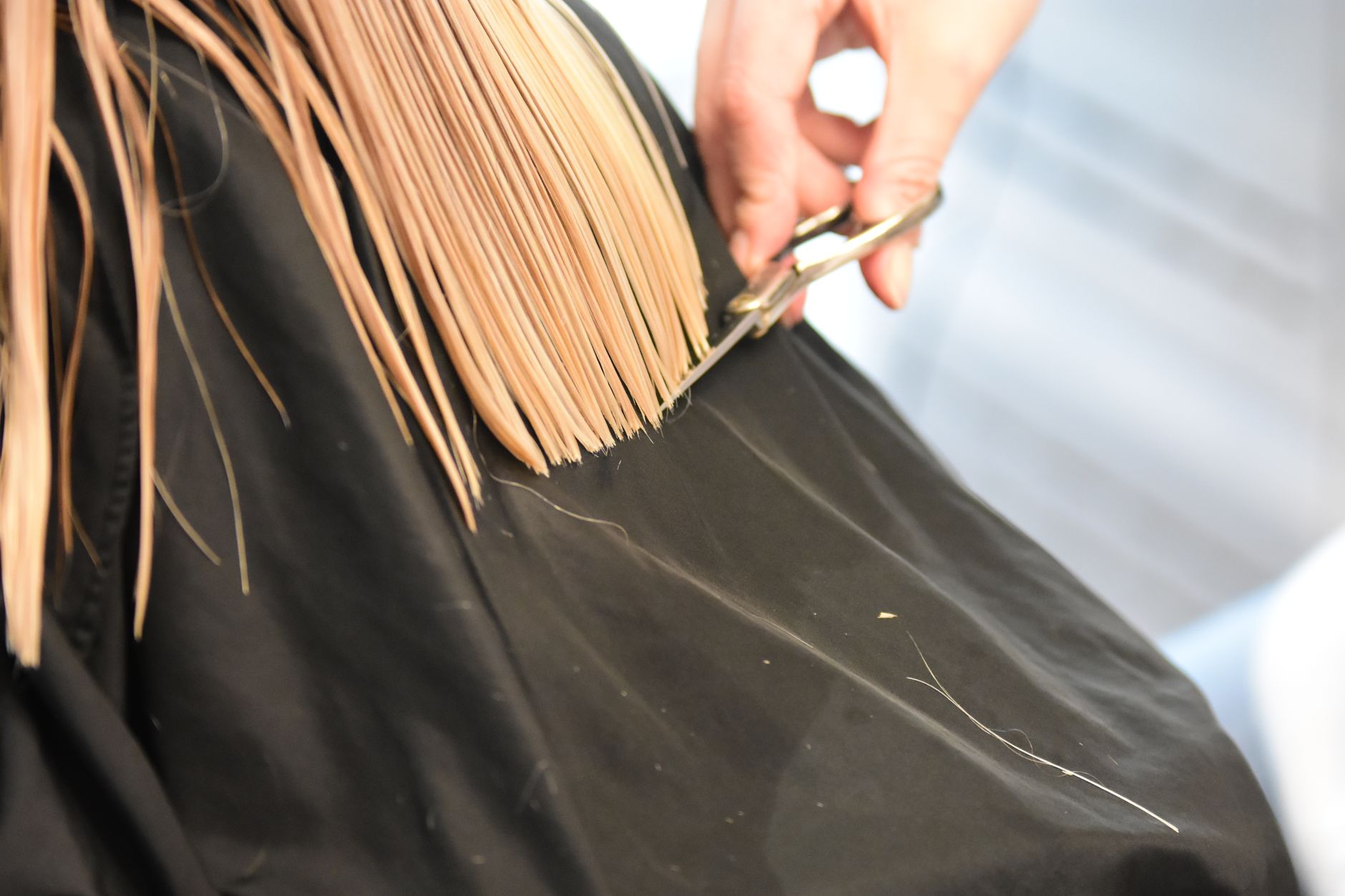
Esthetician vs Cosmetologist: The Core Difference
An esthetician specializes in skin. A cosmetologist is trained across hair, nails and basic skin care, with most of the training spent on hair: cutting, coloring, chemical services and styling.
That difference shapes everything else: how long school takes, what you can legally do, where you work and what you earn. If you know you want facials, peels, waxing and skin treatments, esthetics gets you there faster. If you want to cut and color hair, you need cosmetology (or a hair design or barbering license where the state offers one), and skin care becomes a smaller part of your work.
Training Hours: Esthetics vs Cosmetology
Cosmetology always takes longer. Across the states in the board data, 600 hours is the most common esthetics requirement (30 states) and 1,500 is the most common cosmetology requirement.
| State | Esthetics hours | Cosmetology hours |
|---|---|---|
| California | 600 | 1,000 |
| Texas | 750 | 1,000 |
| Florida | 220 (facial specialist) | 1,200 |
| New York | 600 | 1,000 |
| Illinois | 750 | 1,500 |
| Ohio | 600 | 1,500 |
| Washington | 750 | 1,600 |
| Hawaii | 600 | 1,800 |
From each state board’s license rules, checked November 2026. Every state appears in the full table on this page.
The median esthetics program in the verified set runs 24 weeks. A 1,500-hour cosmetology program takes far longer on the same weekly schedule. That’s months of extra tuition and months without full-time income, which matters if you’re changing careers.
The gap is smallest in Texas (750 against 1,000) and widest in states like Nebraska and West Virginia, where esthetics takes 600 hours and cosmetology 1,800.
What Each License Lets You Do
The cosmetology license is broad but shallow on skin. The esthetician license is narrow but deep. Washington’s statute shows the split clearly:
- Cosmetology covers cutting, coloring, chemical relaxing and styling hair; waxing and tweezing; manicures and pedicures; tinting lashes and brows; and “esthetics limited to” toning the scalp and stimulating the skin with lotions or creams.
- Esthetics covers skin care with exfoliants, superficial and light peels, pore extraction, and any device except lasers, plus waxing, threading and tweezing.
- Master esthetics adds medium-depth peels and medical devices such as lasers, light and radio frequency, under the supervision rules state law sets.
Other states draw the lines differently, so read your own board’s scope rules. But the pattern holds: if facials, peels and device treatments are the job you want, the esthetician license is built for them.
Nails sit with cosmetology or a separate nail license, not esthetics. Texas offers a combination manicurist and esthetician license at 800 hours for people who want both skin and nails without the full cosmetology program.
Pay: Estheticians vs Cosmetologists
The federal wage survey tracks the two jobs separately. In May 2025:
| Occupation (BLS) | National median | Middle half earns | Employed |
|---|---|---|---|
| Skincare specialists (estheticians) | $45,330 | $36,040 to $59,700 | 72,890 |
| Hairdressers, hairstylists and cosmetologists | $35,790 | $30,120 to $48,830 | 305,710 |
BLS OEWS, May 2025. Wages include tips and commissions; the self-employed aren’t counted.
Estheticians earn a higher median on a shorter training path. Cosmetology is the far larger field, with 305,710 jobs against 72,890, so there are more openings in more towns. Your state matters more than either national figure: skincare specialists earn a median of $79,320 in Washington and $34,130 in Idaho. The esthetician salary guide has every state.
Pay by State for Both Jobs
The national gap doesn’t hold everywhere. In some states the two jobs pay about the same; in others the gap is wide:
| State | Esthetician median | Cosmetologist median |
|---|---|---|
| Washington | $79,320 | $59,510 |
| Texas | $49,250 | $30,680 |
| Florida | $43,880 | $29,530 |
| New York | $42,910 | $35,760 |
| California | $38,770 | $38,660 |
BLS OEWS, May 2025, skincare specialists and hairdressers, hairstylists and cosmetologists. Each state link goes to its esthetician school ranking.
California is the exception worth knowing: the two medians are almost equal there, and California has the most jobs in both fields. In Texas and Florida, estheticians earn far more than cosmetologists at the median, and Texas esthetics takes 750 hours against 1,000 for cosmetology.
Esthetics vs Cosmetology Hours by State
Training hours from each state board's license rules, checked November 2026.
The Board Exams for Each License
Both licenses end with state board exams, usually a written theory test and a practical. The esthetics exams test the skin care theory and hands-on procedures you trained in. The cosmetology exams add hair cutting, color and chemical services and nail care, because the license covers them. Some states add a separate test on state laws and rules: Nevada gives theory, practical and state law exams for esthetics, and Minnesota adds a laws and rules test.
Many states use the national exams from the National-Interstate Council of State Boards of Cosmetology (NIC). Delaware, Idaho, Maine, Montana, Rhode Island, South Carolina, South Dakota and Wyoming list NIC exams for the esthetician license. California gives only a written exam for esthetics. Florida registers facial specialists with no state exam at all.
A school’s licensure rate tells you how its graduates do on these exams. Among programs that publish one, the median is 94%, and the outcomes ranking sorts every program that reports it.
Cosmetology or Esthetician: Who Each Path Suits
Choose esthetics if:
- You want to work in skin care, waxing, lashes or a medical spa or dermatology office.
- You need to finish fast. A 600-hour program such as Tuana European Beauty Academy in Fort Collins, Colorado runs 5 months full time or 8 months part time.
- You want a route to a master or advanced license, which ten jurisdictions offer.
Choose cosmetology if:
- Hair is the work you want to do every day.
- You want the widest range of services and the largest number of salon jobs.
- You’re comfortable with a much longer program before you can work.
Consider both if you want to own a full-service salon. You can hold both licenses, and many beauty schools teach both programs on one campus, so you can finish one and add the other.
Schools That Teach Both Programs
Many campuses in the verified set teach esthetics alongside cosmetology, nails and barbering. Each school page lists every beauty program the campus offers. A few esthetics programs worth comparing:
- Paul Mitchell the School-Phoenix: 600-hour esthetics on day and evening schedules, $8,746, with a campus-wide licensure rate of 100% across all programs (NACCAS, 2024).
- Empire Beauty School-Chandler: 600 hours in 18 weeks full time or 35 weeks part time, $10,340.
- Penrose Academy in Scottsdale, Arizona: 600 hours in 20 weeks on a four-day schedule or 30 weeks on two days or four weeknights, $12,875, with a $1,975 kit fee listed separately.
- Bellus Academy-El Cajon in California: 600 hours in 20 weeks by day or 24 weeks at night, $9,300, with a $453.69 kit listed separately.
Totals are each school’s published program figure; kits and books listed separately aren’t included. The esthetician school cost guide explains what the totals cover.
Esthetician With a Cosmetology License: Adding the Second License
If you already hold one license, check whether your state credits hours toward the other. The rules differ by state and by license. Utah, for example, lets a legacy cosmetology or barbering licensee count 600 hours toward its 1,200-hour master esthetics license. North Dakota gives licensed cosmetologists up to 600 hours of credit toward its 1,100-hour advanced esthetician program. Washington lets a licensed esthetician reach the master license with 450 more hours instead of the full 1,200.
Ask the board, in writing, how your existing hours count before you enroll in the second program. The license hours checker shows each state’s starting requirement.
How to Decide
Run through these points with real numbers from your state:
- Hours: compare your state’s esthetics and cosmetology requirements in the state-by-state table on this page.
- Total cost: compare published tuition figures for both programs at the schools near you, plus any kit costs listed separately.
- Pay where you’ll live: check your state’s BLS median for both jobs.
- Licensure rate: pick a school that publishes its pass rate; the median among those that do is 94%.
- Schedule: 385 esthetics programs offer evening, weekend or part-time options.
Then compare schools on the best esthetician schools ranking, or find one near you with the school finder. For the spelling question, see esthetician vs aesthetician.
Frequently Asked Questions
Can a Cosmetologist Work as an Esthetician?
It depends on the state's scope rules. In Washington, the cosmetology license covers only limited skin care, such as toning the scalp and stimulating the skin with lotions or creams, while facials with peels and devices belong to the esthetician license.
Is Cosmetology School Harder Than Esthetics School?
It's longer rather than harder. Most states require 1,500 hours for cosmetology and 600 for esthetics, so cosmetology takes much longer on the same weekly schedule.
Can You Hold Both an Esthetician and a Cosmetology License?
Yes. The licenses are separate, and you can hold both by meeting each one's hours and exams. Some schools let you take both programs at the same campus.
Which License Pays More, Esthetician or Cosmetologist?
Nationally, skincare specialists earned a median of $45,330 in May 2025 and hairdressers, hairstylists and cosmetologists $35,790 (BLS OEWS). State figures vary, so check both for the state where you'll work.
Which States Have the Smallest Gap in Hours?
Texas requires 750 hours for esthetics and 1,000 for cosmetology. California, New York and Massachusetts require 600 and 1,000.
Do Estheticians Do Nails?
Not under the esthetician license alone; nail care belongs to the cosmetology or nail technician license. Texas offers a combination manicurist and esthetician license at 800 hours.
Keep Reading
- Medical EstheticianWhat a medical esthetician does, the license it starts from and the training that leads to medical spa and dermatology work
- Esthetician vs AestheticianWhether esthetician and aesthetician mean different jobs, which spelling state licenses use and where each term shows up
- Esthetician SalaryWhat estheticians earn nationally and in every state (BLS OEWS), the spread from entry level to the top tenth, and the roles the license leads to
- How to Become an EstheticianThe school hours, state board exams and license steps that take you from no experience to a licensed esthetician
- Esthetician ProgramsWhat esthetician training programs cover, how many clock hours they run, what they cost and which schedules schools offer
- Esthetician School CostWhat esthetician school costs, from the program tuition figures schools publish, what the total leaves out and how to pay for it
- Best Esthetician SchoolsEvery verified program, ranked
- Esthetician License by StateHours, exams and fees in every state
Sources
- U.S. Bureau of Labor Statistics, OEWS May 2025: Hairdressers, Hairstylists, and Cosmetologists (39-5012)
- U.S. Bureau of Labor Statistics, OEWS May 2025: Skincare Specialists (39-5094)
- Revised Code of Washington 18.16.020: definitions of cosmetology, esthetics and master esthetics
- Texas Department of Licensing and Regulation: esthetician license
- State licensing boards' esthetician license pages, checked November 2026
- U.S. Bureau of Labor Statistics, Occupational Employment and Wage Statistics, May 2025: Skincare Specialists (39-5094)